
Oklahoma is having a moment—and not just culturally, economically, or athletically. According to a new ranking, it’s also shining educationally.
Forbes dropped the 2025-26 edition of its annual “America’s Top Colleges” rankings, and three Oklahoma institutions made the cut, proving the Sooner State can compete with the higher education darlings on more than just affordability.
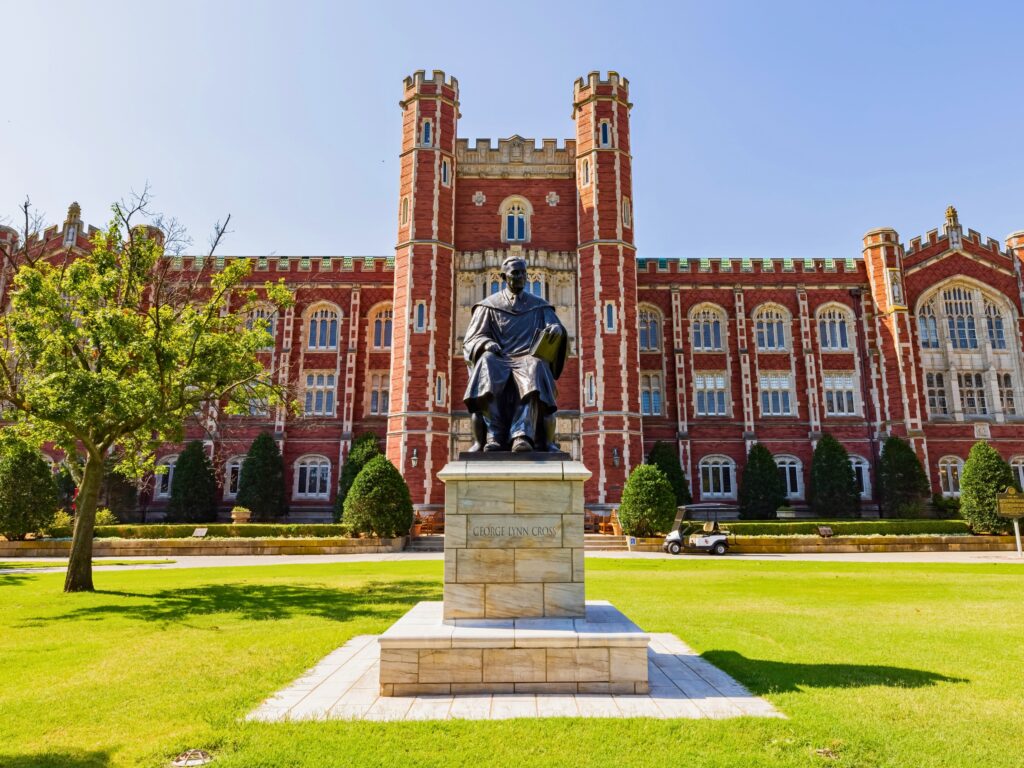
At the top of the list is the University of Oklahoma in Norman, coming in at No. 96 nationally. OU’s reputation as a flagship public powerhouse isn’t just SEC football. It’s nationally respected academics with a serious ROI, where grads step out with solid career prospects. On Forbes’ Top Colleges 2026 list, OU holds an elite No. 70 among America’s top research universities. It owns its place as a flagship public institution where innovation meets stability, and where academic muscle doesn’t demand East Coast tuition.
Next comes Oklahoma State University, landing at No. 200. Known as one of the strongest land-grant colleges in the country, OSU leads the pack from Stillwater with leading programs in agriculture, veterinary medicine, engineering, and tech. Its publicly lauded online program also remains a national standard for accessibility and retention.
Rounding out the trio is the University of Tulsa, checking in at No. 205. TU is small but mighty: a private campus with an intimate student-faculty ratio, strong professional programs in law, engineering, and energy, and a steady pipeline into competitive jobs. TU’s engineering school—along with its cybersecurity, petroleum engineering, and scholarship pedigree—continues to punch well above its size.
Forbes’ list weighs outcomes like graduation rates, earnings, and debt load, which means these schools aren’t being recognized for glossy brochures. They’re being recognized for delivering. While coastal parents drop $80K a year for a nameplate diploma, Oklahoma’s universities are proving something different: prestige doesn’t need a New England zip code. Sometimes, it looks like Norman, Stillwater, or Tulsa.
For anyone considering a move to Oklahoma, fantastic colleges aren’t just a nice-to-have. Strong universities mean stronger talent pipelines, research hubs, cultural offerings, and yes, better coffee shops and startup scenes in the neighborhoods surrounding them. They keep graduates in-state, attract new families, and elevate the kind of quality of life people are moving for. They build the kind of infrastructure that shapes the future of a state.