If you haven’t looked at Oklahoma in a while, you’re probably thinking of downtowns that become ghost towns after 5 p.m., a few cows, and maybe a tumbleweed rolling past a Sonic.
You picture the kind of place people leave, not move to. Right?
Well, think again. In the last 10 years, Oklahoma has pulled off a full-blown economic, cultural, and civic glow-up. Let’s dig into why living in Oklahoma today looks nothing like it might have a decade ago.
Investment in the Long Game
As with all thrilling origin stories, this one starts with policy.
Back in the ‘90s, on the heels of the ‘80s oil bust, Oklahoma needed a change. To do so, it needed three things: big employers, better infrastructure, and liveable cities.
Enter: long-game, voter-backed livability programs.
The biggest effort was MAPS in Oklahoma City — a one-cent sales tax that’s generated over $3 billion in investment since 1995. It has funded everything from a 70-acre park and a streetcar system to public school improvements and the arena where the OKC Thunder won its first NBA Championship.
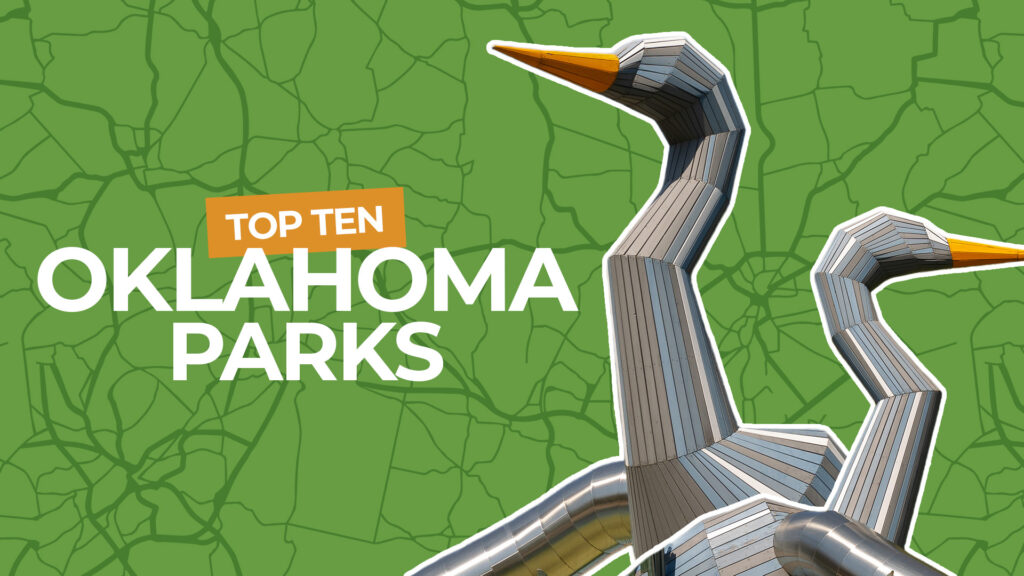
Not to be outdone, Tulsa ran its own play with Vision Tulsa, pouring more than $1 billion into infrastructure, public safety, and a downtown. Its revival was good enough that the city became the home of USA BMX and The Gathering Place — the two-time defending best park in the country.

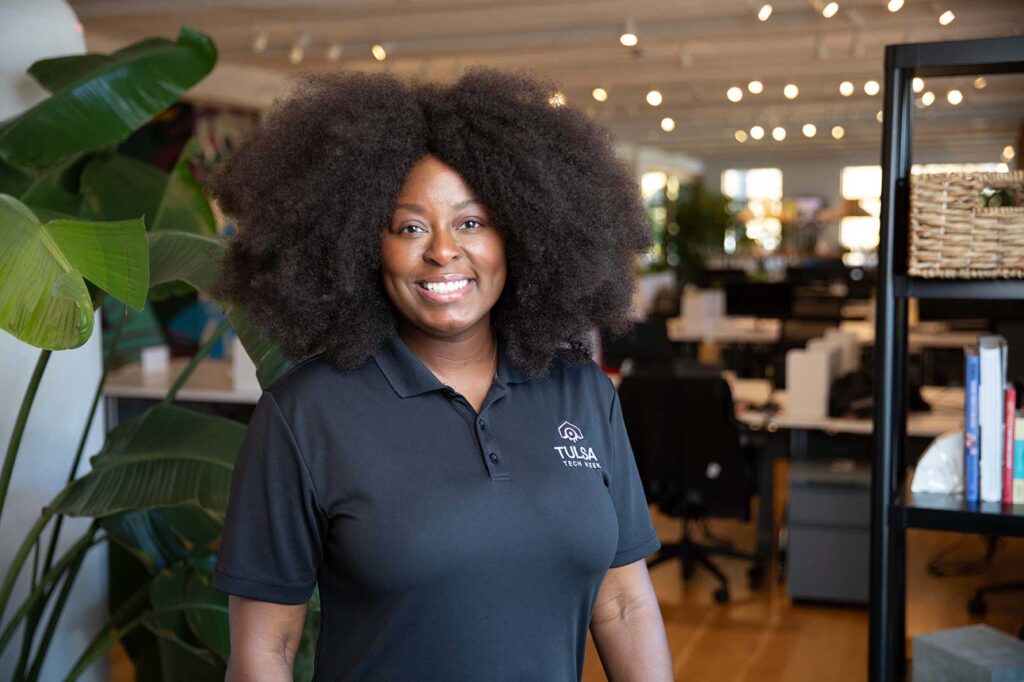
It also launched Tulsa Remote, a program that pays remote workers $10,000 to move to Tulsa. Nearly 3,500 have, bringing with them big ideas, hungry energy, and over $622 million in direct employment income for the city of Tulsa.
Statewide, the investment has been just as aggressive. Oklahoma poured millions into Oklahoma CareerTech, its technical education system. To employ all those workers, it revamped business incentives, offering some of the most competitive tax breaks in the country.
Oklahoma Main Street programs pumped more than $2.2 billion into towns like Ponca City and Enid, turning them into the poster children of downtown comeback stories.
Oklahoma also pulled off one of the most dramatic infrastructure turnarounds in the U.S., skyrocketing from 49th in bridge conditions in 2004 to Top 10 by 2023.
More Than Oil
Soon, all of that led to a massive shift in the economy.
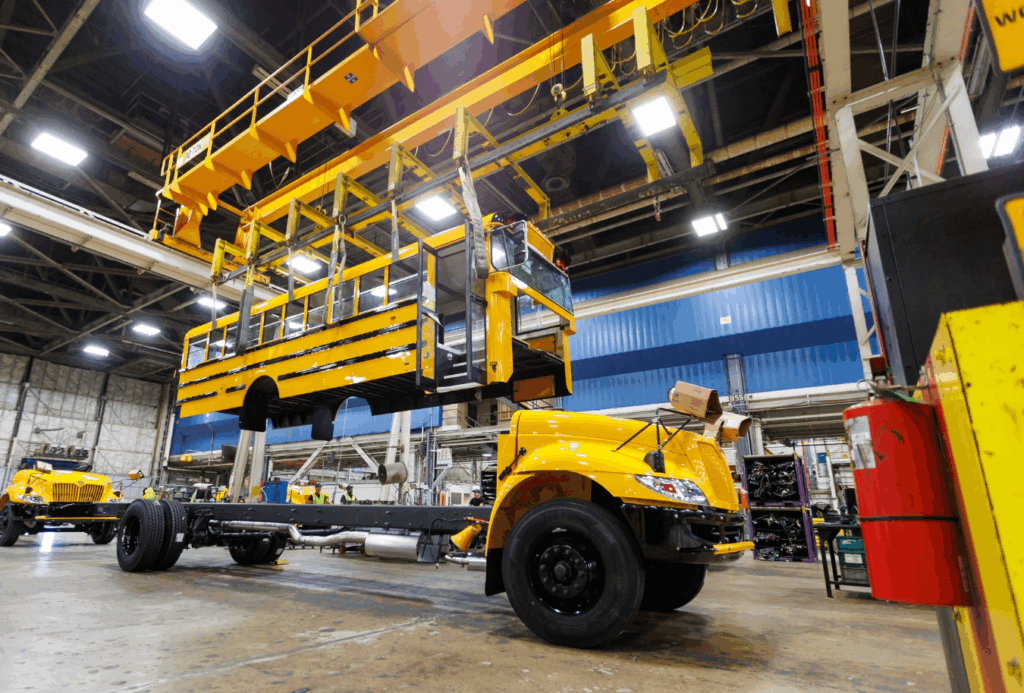
For decades, Oklahoma’s fortunes rose and fell with oil prices. But today, the job market looks a lot more colorful than just black gold. Aerospace, manufacturing, and bioscience are now some of the leading industries in the state. Oklahoma’s film and television industry has also grown. Thanks to low costs and strong incentives, the state has lured productions from Martin Scorsese, Sylvester Stallone, and homegrown Sterlin Harjo.
Oil and gas continues to reign king, but the state has become a national leader in renewables too — ranking third in the U.S. for wind energy capacity and becoming a power player in solar and geothermal.
Big players also got in on the game. Google dropped $3.4 billion on its second largest data center in the world. Lockheed Martin and Boeing expanded their operations on top of Oklahoma’s deep military infrastructure. And if your last Amazon Prime haul got to your porch in under 48 hours? Thank Oklahoma logistics.
From Brain Drain to Brain Gain
The economy didn’t diversify itself though. People did that.
Over the past decade, Oklahoma’s population has steadily been changing and growing. Since 2013, Oklahoma has added over 200,000 residents. The average new resident is around 35 years old — prime time for career-building, homebuying, and becoming parents.

Brain drain has also reversed. Instead of heading straight to Dallas or Brooklyn, college grads are more often sticking around — or coming back sooner than their parents ever did — and reshaping skylines, running for office, and launching new companies along the way.
Why? Oklahoma finally gave them a reason to want to, from culture and jobs to community and a shot at homeownership before 50.
Oklahoma Got Cool
Which brings us to the trickiest shift of all: perception. Because let’s face it: for a long time, Oklahoma was the setup to a punchline. But lately? That punchline’s turned into a plot twist.
It all started with the NBA World Champion Oklahoma City Thunder Effect.When the team landed in 2008, it didn’t just bring basketball. It brought national attention, statewide pride, and a reason to believe in something bigger. That energy spilled into everything.
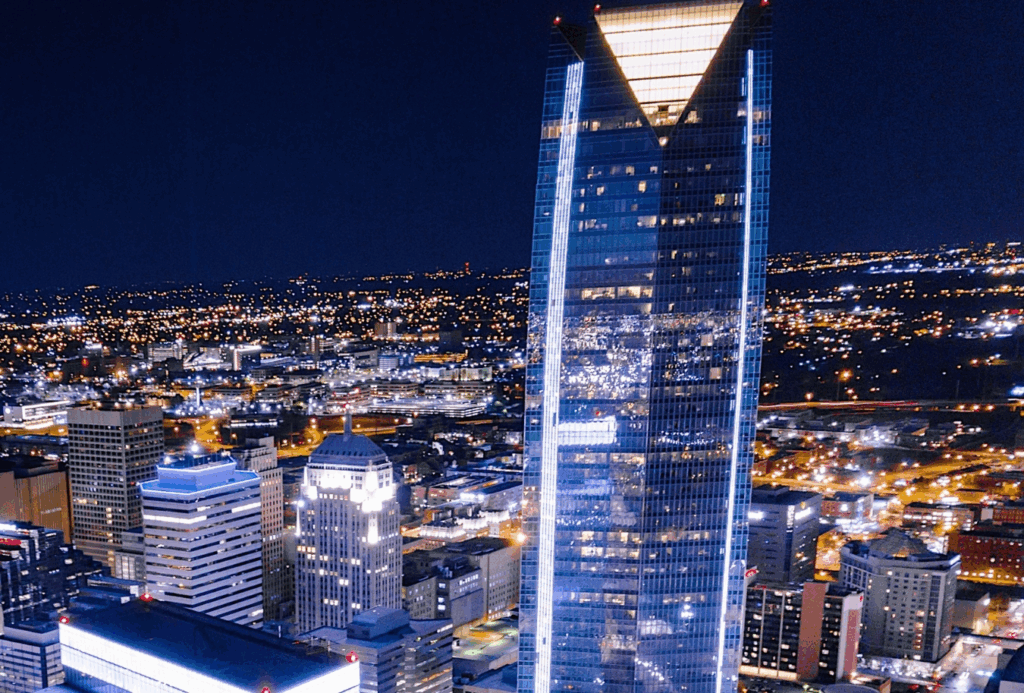
Downtown Oklahoma City got a billion-dollar glow-up. Tulsa evolved into Oklahoma’s creativity capital, and fueled by SEC attention, Norman is undergoing a renaissance of its own.
Even suburbs have gotten cool. Edmond has become an art and dining hotspot, and Broken Arrow is alive with block parties, boutiques, and brunch lines longer than a Target receipt on payday.
No longer is Oklahoma all oil rigs and beige buildings. It’s theme-park-sized parks and restaurants with a James Beard nod. It’s rowdy tailgates one day, nationally-acclaimed festivals the next. It’s breweries and murals and farmers markets and live music that could rival Austin.
Move to Oklahoma
If you haven’t looked lately, you’re missing one of the most remarkable underdog stories in American history.
Basically, Oklahoma is kind of like Ted Lasso. It showed up with a playbook, a killer mustache, and a belief that with the right moves and a little heart, it could win. And it did. Oklahoma is no longer the place you thought it was. It’s the place a lot of people are thinking of next.